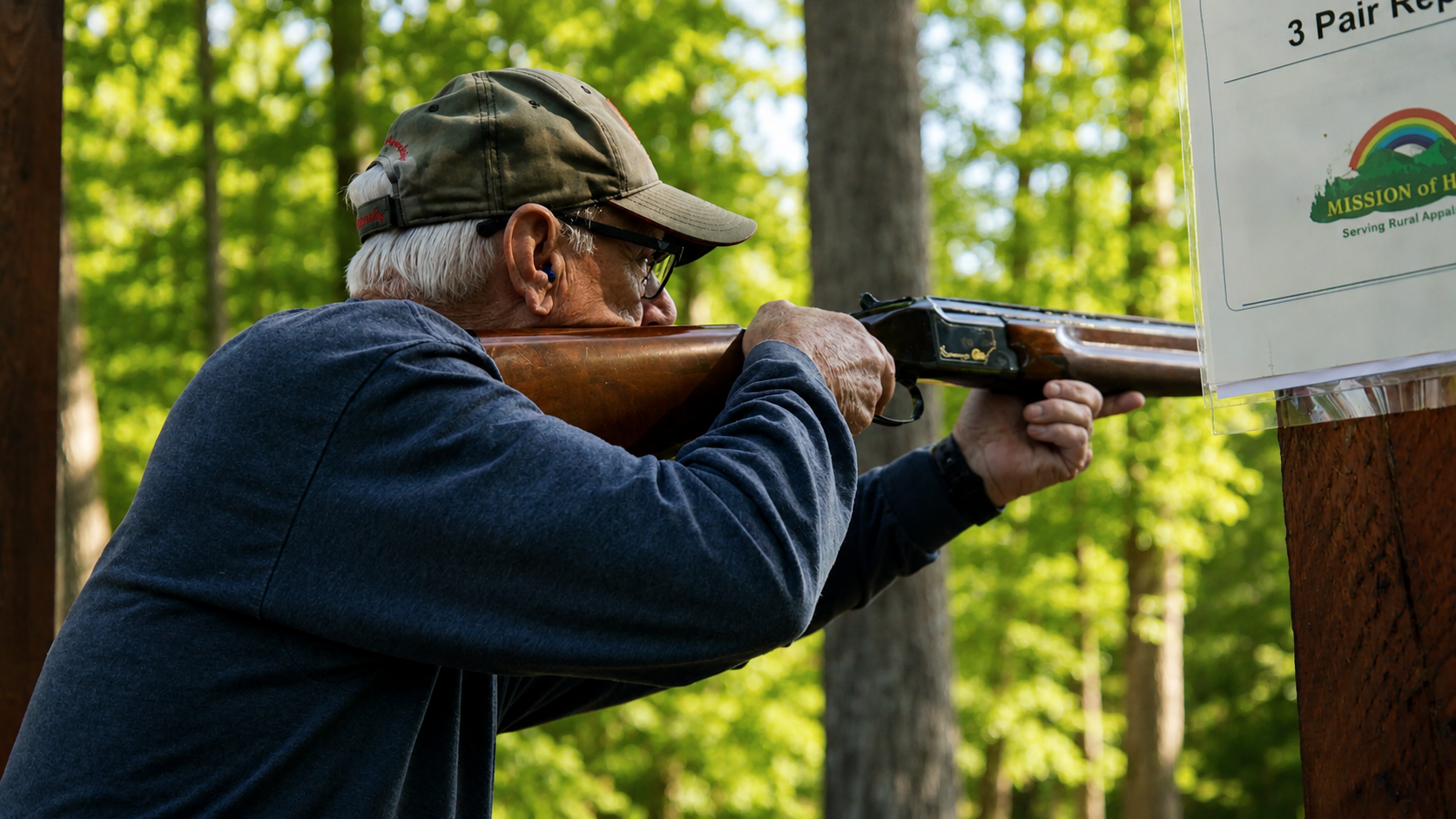
Nonprofits and ministries
Missions that depend on donors and volunteers.
Video for nonprofits and schoolsStory videos for nonprofits, schools and ministries · Atlanta
I'm Sean Franklin, a former TV reporter, and I'm the outsourced creative department for nonprofits, Christian schools, ministries and hospital foundations in and around Atlanta. I find your best stories, put your people at ease on camera, and turn one shoot into everything you need for your event, your donors and your families.
The promise
I make telling your story easier. Not because it's easy, but because I take on the hard parts.
First
Before a single frame: who you serve, who you need to reach, and what you want them to do: give, volunteer, enroll, partner.
Then
I find the story worth telling, write the questions, and coach the people who have to say it out loud.
Then
Monthly videos, social content, websites, ads and tracking, so the story keeps working after the event is over.
Everything else (the films, the photography, the websites) is how it gets done.
Featured films
Healthcare · Patient Story
Construction · Brand Film
Healthcare · Storytelling
Nonprofit · Storytelling
Education · Campaign
Who I serve
Missions that depend on donors and volunteers.
Video for nonprofits and schools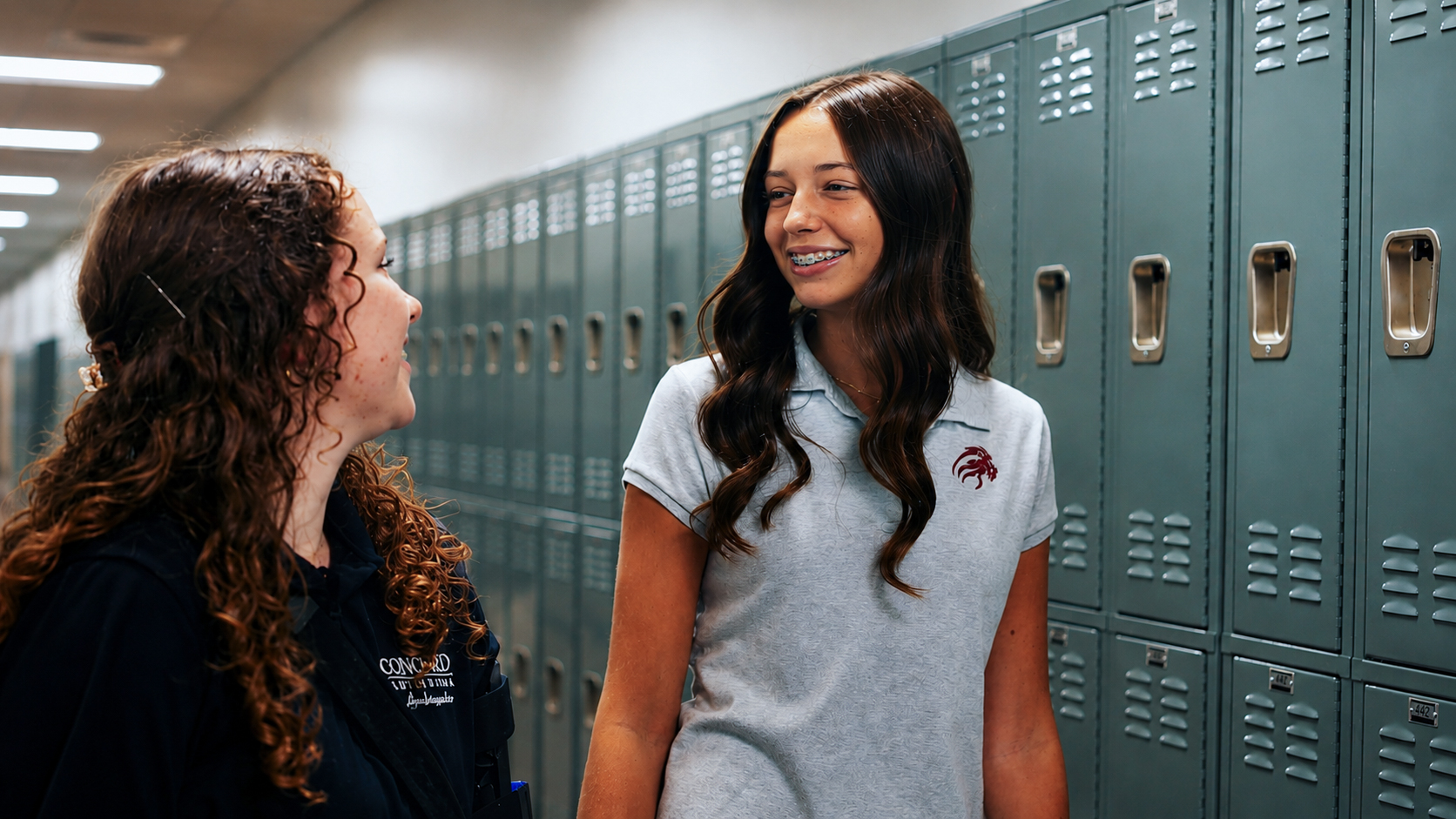

Patient stories that move partners to give.
Video for nonprofits and schools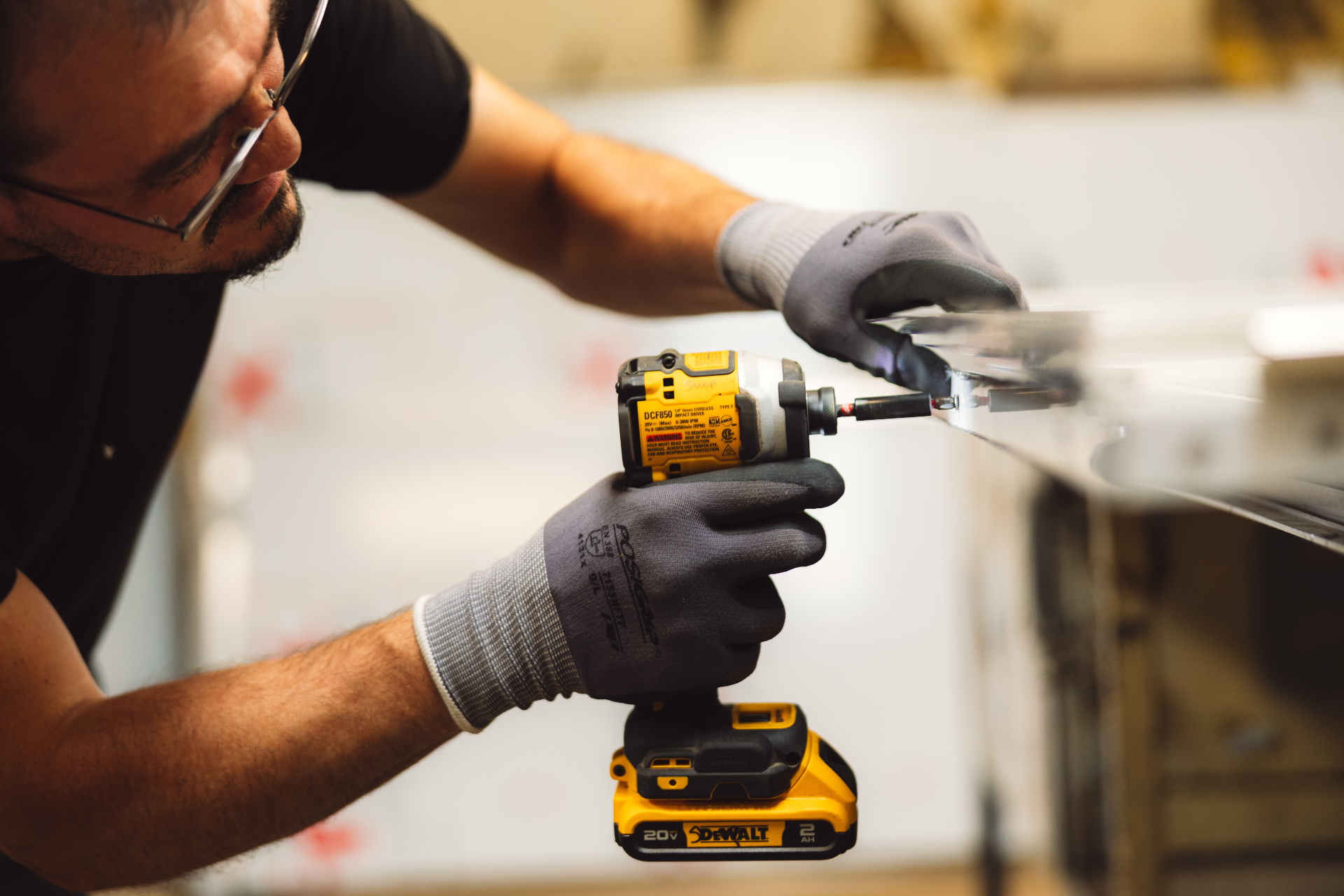
What I'm actually hired for
Nobody wakes up wanting a video. They want people to understand the mission: to give, to enroll, to show up. And they want to stop worrying about whether they posted enough this month.
What you don't have to worry aboutStory films, donor and family stories, photography, social content: proof of who you are, filmed where the work happens.
The most common thing I hear is "I hate being on camera." It has never once been a dealbreaker.
Consistency is the whole game, and it's the first thing to slip when storytelling lives on a busy leader's desk.
Once I understand your organization well enough, I start solving the bigger problems behind the marketing.
Why organizations hire me
Most organizations don't fall short because their work isn't good.
They fall short because people haven't seen it, and nobody on staff has time to show them.
So I take that off your desk.
My real advantage
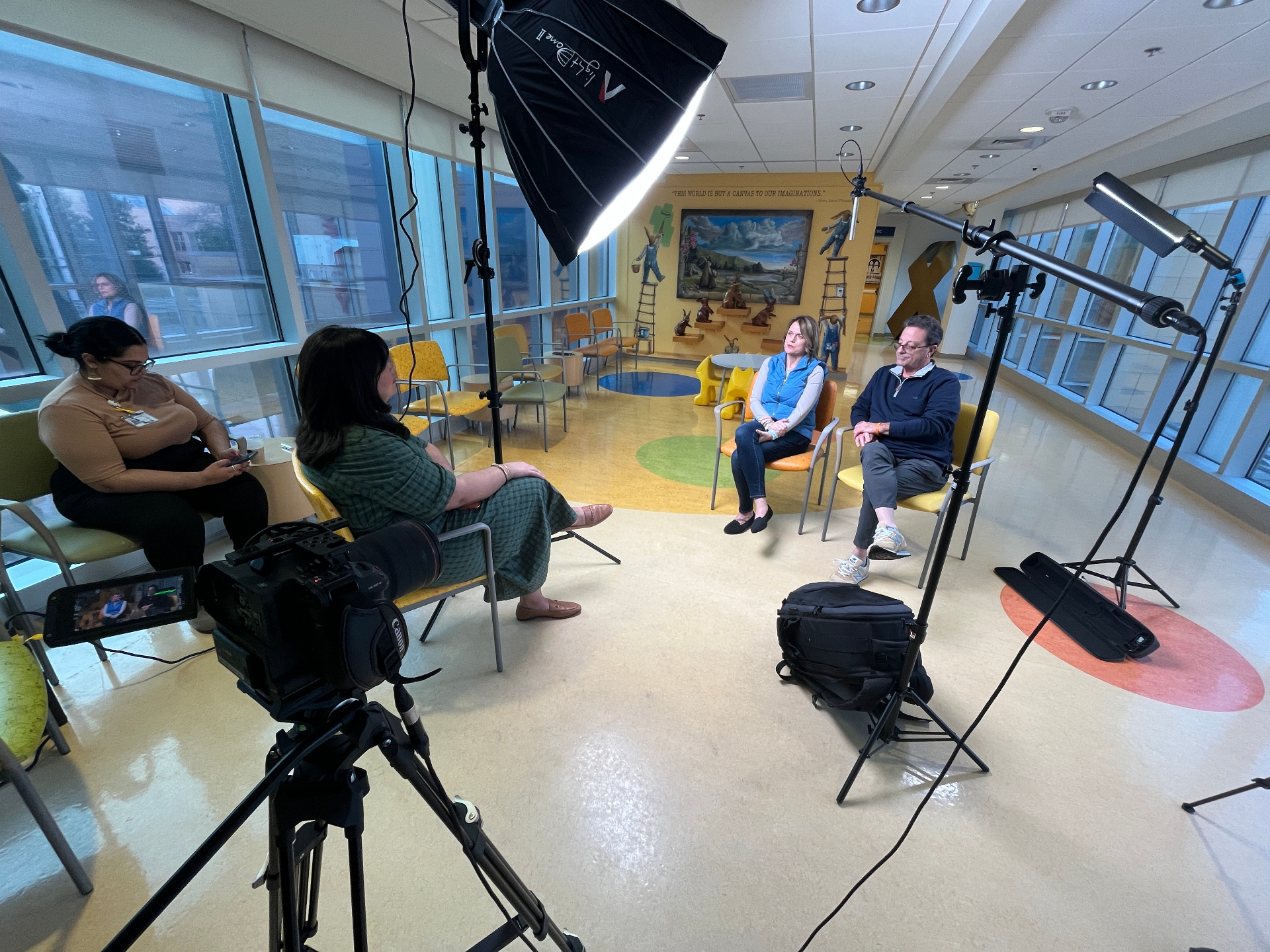
I spent nearly a decade as a television reporter and interviewed thousands of people. That's the advantage here: not the cameras, not the editing, not the software.
I know how to calm a nervous executive director, ask the question that unlocks the real answer, and get a version of you on screen your team recognizes. Nothing is memorized. Nothing is performed. You talk; I do the rest.
What I hear every week
None of them has ever stopped good work. Most are the reason an organization calls me in the first place.
“We don't know what to say.”
That's my job, not yours. I spend the first weeks learning how your organization works, then decide what's worth saying and write the questions. You just answer them.
“We've tried marketing before.”
Usually what failed was the handoff: someone who never learned the mission, or a plan that needed you to keep it alive. I stay long enough to understand it, and I do the keeping.
“We don't have time.”
A shoot day takes a few hours. Everything around it (planning, writing, editing, posting) happens without you in the room.
“We're already wearing too many hats.”
Then marketing shouldn't be one of them. You approve things. I handle the rest, and I don't need reminders.
“We don't know if this will actually work.”
Fair question. I set up tracking before anything goes out, so you can see what's moving and what isn't. If something isn't working, I'll tell you before you have to ask.
The process

I listen first. Weeks of conversation before a single frame is shot.
A clear plan for what to say, where to say it, and why now.
A focused production day, on your ground, with a small crew.
A steady rhythm of stories, so trust builds month over month.
What changes
Clients rarely describe the difference in terms of marketing. They describe it in terms of what they no longer have to think about.
A quiet invitation
Most of my clients came to me tired of figuring it out themselves. Many started with one video and a lot of questions. If that's where you are, that's a good place to start.